
Ramadan is the holiest month of the Islamic (Muslim) faith. All adult Muslims (in good health) fast during daylight hours, attend communal prayers, and hold extended family gatherings to open the fast, known as “iftar”. This includes sharing food with friends and neighbours.
Fasting has a real impact on movement and physical activity during the month, mainly due to changes in sleep patterns, tiredness, and lack of energy due to no food or liquid intake. This month has seen my movement levels change but here are a few tips based of my experiences on the month:
- Planning is key, try and pre preplan what you will be doing, this will help you stick to it but also help you plan your food and drink intake beforehand. Think about what timings work for you, for some just before the fast opens is a good time for others after the fast opens is a good time, you’ll know what works for you, everyone is different.
- Eating the right foods is important. If you are going to have a day of increased physical activity, ensure your meal has the right nutrients to get you through the day.
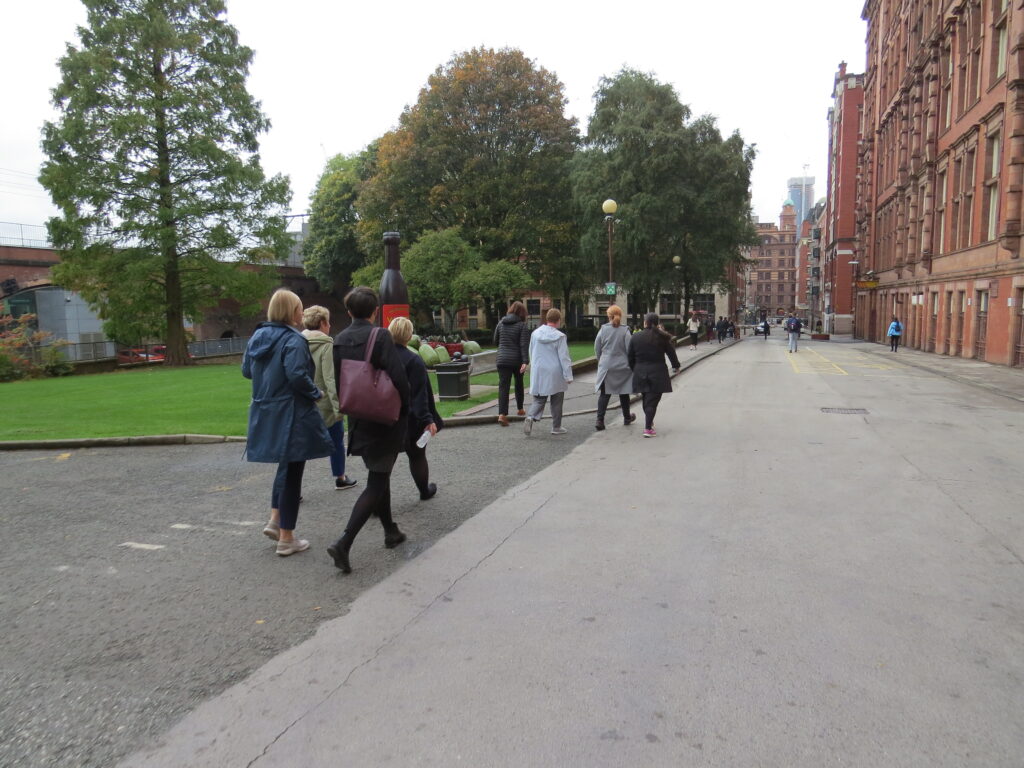
- Make little changes, no one expects you to run a marathon during fasting but try to make small changes where possible, I walk to the mosque quite a few times a day, at times I vary my walk so make sure it’s a longer walk and increase those steps. Walking after the fast opens is good for digestion too.
- Find time to rest, sleep patterns and energy levels will be affected to if you want to continue to be physically active make sure you are prioritizing rest to make sure when you are moving/exercising you aren’t too tired.
- Hydration is important, make sure during the hours that you can eat you are getting your water and drink during that period. It will really help if you chose to exercise later.
- Take it easy, don’t put too much pressure on yourself and listen to your body. There will be changes in your activity levels and that is completely fine.
- Once Ramadan is over, don’t rush back into everything. I always find it takes me a few days to return to normal eating and sleep patterns. Start steady and allow your body to adjust.